market conditions impact CFD trading strategies
CFD trading can provide profit opportunities, but it also poses risks. Developing and following a trading strategy can help you mitigate these risks. CFDs offer leverage, which enables traders to control larger positions with a smaller upfront investment. However, leverage magnifies profits and losses, so careful risk management is essential.
A successful cfd trading strategy involves following a pre-defined plan and using market research to identify the best opportunities. It also requires learning how to manage risk and handle psychological pressures, as well as mastering the skill of objectively analyzing losing trades.
Contracts for Difference (CFDs) offer traders access to global markets including indices, commodities, currencies (forex), and stocks. These assets can be traded with leverage, magnifying gains and potential losses, so it’s important to understand the risks involved.
Diversification is one of the most effective ways to limit your exposure to price volatility. A common diversification metric is the number of stocks included in a portfolio; a rule of thumb is 30 or more, but even four stocks can provide most of the benefits of diversified investing.
How do market conditions impact CFD trading strategies?
CFDs offer substantial profit potential but also entail higher risks, particularly in the form of leverage and market volatility. Traders need to develop effective risk management strategies to mitigate these risks and maximize profits. Thorough training and consistent research are essential to developing a sound trading strategy.
Leverage is a powerful tool that allows traders to control a larger position with a small initial investment. For example, with a broker that offers 10:1 leverage, a trader only needs to deposit $1,000 to control a $10,000 position. This feature magnifies both profits and losses, and if the account falls below maintenance margin levels, it can trigger margin calls or even automatic liquidation of positions.
Technical analysis involves studying price charts to identify trends and entry or exit points. It uses indicators such as moving averages, RSI, and Fibonacci retracements to forecast future price movements. However, this technique is limited by the fact that it focuses on past price data and cannot predict unforeseen economic conditions or news events.
CFD trading strategies allow traders to speculate on price movements without owning the underlying asset. This type of trading has unique benefits, such as lower trading costs and leverage. However, it also carries significant risks, so traders should exercise caution and follow sound risk management principles. Thorough training and research are crucial for CFD trading, as well as keeping up with market trends and economic indicators.
A popular CFD strategy is momentum trading, which involves identifying a trend and jumping on its bandwagon to profit from increasing prices. It can be used with any asset, including indices and currencies. Other strategies include using technical analysis, evaluating market sentiment through various indicators, and using hedging techniques.
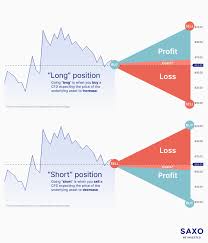
Another advantage of CFD trading is its ability to profit from falling prices through short selling. This trading method offers more flexibility than traditional methods and is a great way to diversify your portfolio. However, it’s important to remember that the leverage inherent in this type of trading can magnify profits and losses.
CFD trading is a popular form of investment that offers traders access to a wide range of markets. However, it also poses certain risks, such as price fluctuations and leverage. Therefore, it is important to understand these risks and implement effective risk management strategies.
One of the most common risk management techniques in CFD trading is diversification. This technique is used to reduce concentration risk and enhance the potential for stable long-term returns. Diversification also helps minimise the impact of rapid market movements on your returns.
Another way to manage your risk is to choose a reputable broker and set profit targets. These goals can be expressed as a percentage return on your capital or as a monetary value. You can also use technical analysis to identify trends and make informed trades. Technical analysis involves analyzing past prices to determine future market directions. This method is especially useful for identifying potential entry and exit points.
